

Breathing techniques for anxiety are practical strategies that may help you manage anxious thoughts, ease physical symptoms, and restore a sense of calm. In this guide, you'll discover a variety of breathing exercises for anxiety, including deep breathing, calming techniques, and practical tips to support your mental well-being.
- What are breathing techniques for anxiety?
- Benefits of breathing exercises for anxiety
- Types of breathing techniques and exercises
- Step-by-step guide for deep breathing
- Common mistakes and how to avoid them
- Tips for building a breathing routine
- Frequently asked questions about breathing and anxiety
Tip: Practicing breathing exercises regularly may help you feel calmer and more in control during anxious moments.
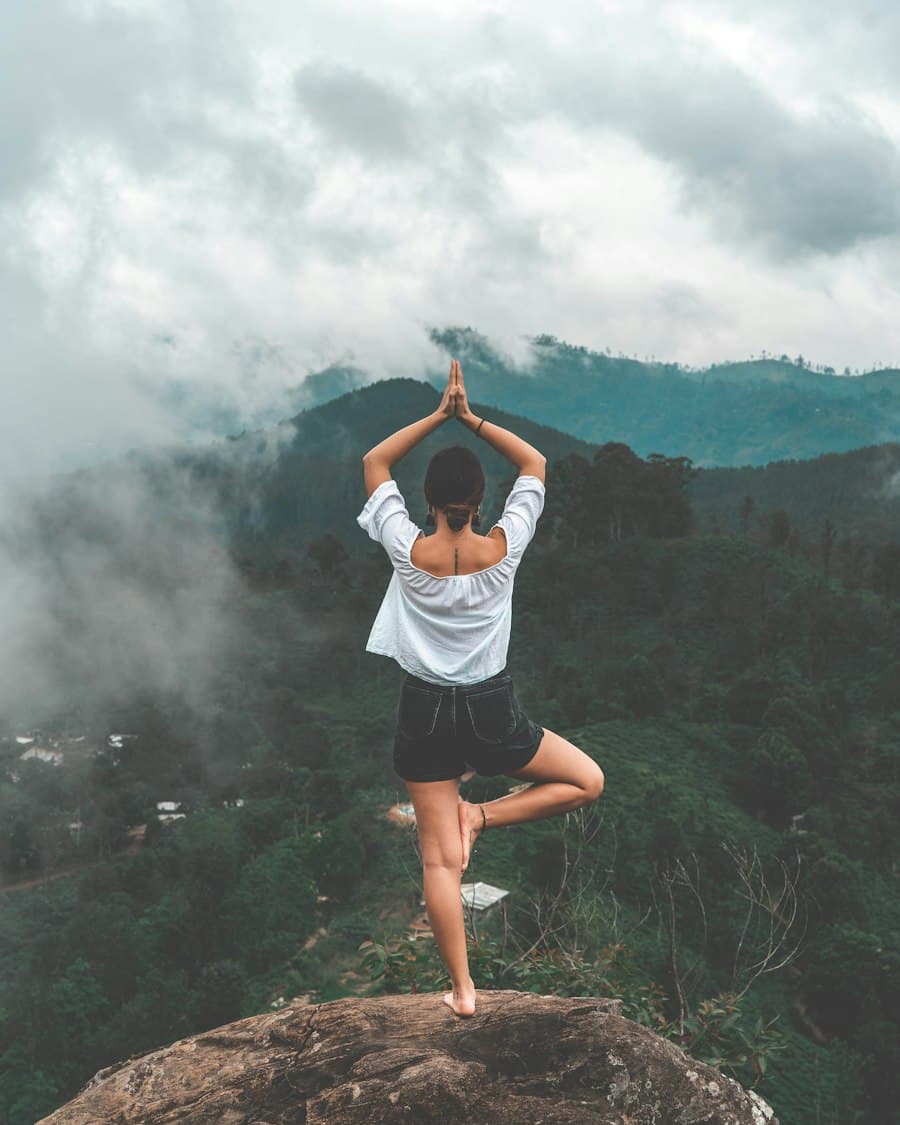
Reduce stress
Lower cortisol and find steadiness through guided pacing.

Improve focus
Return to the present with a single, simple rhythm.
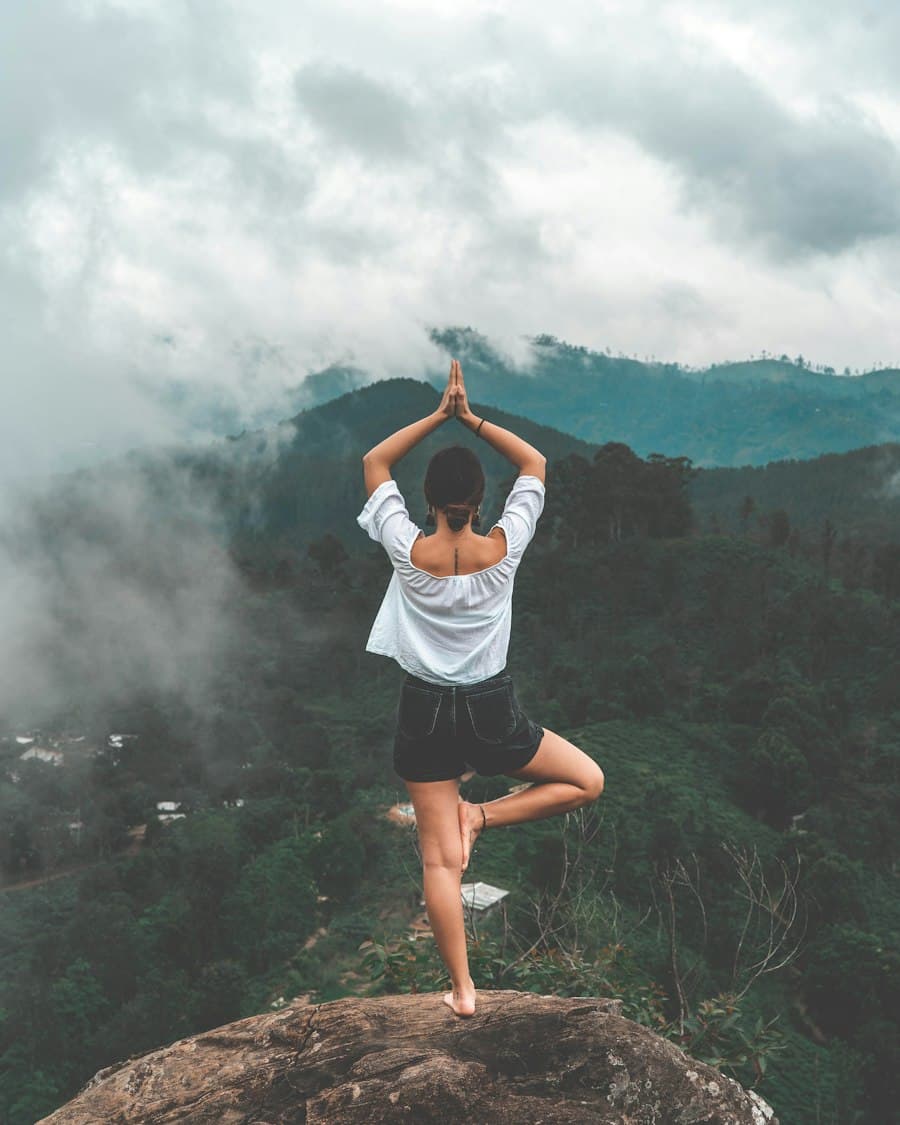
Better sleep
Wind down with exhale-forward patterns before bed.
History and Origins of Breathing Techniques for Anxiety
Breathing techniques for anxiety have roots in ancient yoga, meditation, and traditional medicine. Practices like deep breathing and alternate nostril breathing have been used for centuries to calm the mind and body. In recent decades, psychologists and therapists have adapted these techniques for modern stress and anxiety management, making them accessible to people worldwide.
What Are Breathing Techniques for Anxiety?
Breathing techniques for anxiety are simple, science-backed exercises designed to interrupt the anxiety cycle, regulate your breath, and calm both mind and body. These techniques can be practiced anywhere and are suitable for most people.
Benefits of Breathing Exercises for Anxiety
- Reduce symptoms of anxiety and stress
- Promote relaxation and calmness
- Improve focus and mental clarity
- Support better sleep
- Lower heart rate and blood pressure
- Enhance emotional balance and resilience
Types of Breathing Techniques for Anxiety
- Deep breathingfor anxiety (diaphragmatic breathing)
- Box breathing (4-4-4-4 technique)
- 4-7-8 breathing technique
- Pursed-lip breathing
- Resonant breathing (coherent breathing)
- Alternate nostril breathing
- Mindful breathing exercises
- Relaxing breathing exercises
Step-by-Step: How to Practice Deep Breathing for Anxiety
- Sit or lie down in a comfortable position.
- Place one hand on your chest and the other on your belly.
- Inhale slowly through your nose, letting your belly rise.
- Exhale gently through your mouth, feeling your belly fall.
- Repeat for 5-10 breaths, focusing on the movement of your breath.
Deep breathing for anxiety may help interrupt anxious thought patterns and activate your body's natural relaxation response.
Common Mistakes and How to Avoid Them
- Expecting instant results—improvement comes with regular practice.
- Breathing too quickly or shallowly—focus on slow, deep breaths.
- Forcing the breath—let your breath flow naturally.
- Getting frustrated if your mind wanders—gently bring your focus back to your breath.
- Not seeking professional support if anxiety feels overwhelming.
Tips for Building a Breathing Routine
- Practice breathing exercises for anxiety daily, even when you are not feeling anxious.
- Try different techniques to find what works best for you.
- Combine breathing exercises with other relaxation methods, such as mindfulness or gentle movement.
- Use breathing techniques during stressful moments to regain calm.
- Be patient—improvement comes with regular practice.
Practical Tips for Breathing Techniques for Anxiety
- Practice breathing techniques at the start and end of your day for ongoing calm.
- Use these techniques before stressful events, such as exams or presentations.
- Combine with mindfulness or gentle movement for enhanced benefits.
- Teach children and teens as a simple way to manage stress.
- If you feel dizzy or lightheaded, pause and return to normal breathing before resuming.
Frequently Asked Questions about Breathing and Anxiety
Questions readers ask
What are the best breathing techniques for anxiety?
Deep breathing, box breathing, 4-7-8 breathing, and pursed-lip breathing are among the most effective techniques for anxiety. Try different methods to find what works best for you.
How often should I practice breathing exercises for anxiety?
For best results, practice daily. Even a few minutes can make a difference in managing anxiety and stress.
Can breathing techniques replace medical treatment for anxiety?
Breathing techniques can support well-being but are not a substitute for professional medical advice. If you have ongoing anxiety or health concerns, please consult a qualified healthcare provider.
Are there quick breathing exercises for anxiety relief?
Yes, techniques like box breathing and the 5-4-3-2-1 grounding exercise can provide quick relief from anxiety and stress.
Is this information medical advice?
No, this article is for informational purposes only and does not provide medical advice, diagnosis, or treatment. Always consult a healthcare professional for medical concerns.
Additional Frequently Asked Questions (FAQ)
Questions readers ask
Can breathing techniques help with panic attacks?
Yes, breathing techniques can be a helpful tool during panic attacks by slowing the breath and activating the body's relaxation response.
Are breathing techniques safe for everyone?
Breathing techniques are generally safe for most people. If you have a respiratory or heart condition, consult your healthcare provider before starting.
How often should I practice breathing techniques for anxiety?
You can practice breathing techniques daily or whenever you need to manage stress or anxiety.
Conclusion: The Power of Breathing Techniques for Anxiety
Breathing techniques for anxiety are accessible, effective tools for managing anxious feelings and supporting your mental well-being. With regular practice, you can build resilience and find calm even during stressful times.
Start Your Breathing Health Journey
Practice breathing exercises daily to support calm and relaxation. Share this page with friends and family to help others discover the power of proper breathing.

In practice this week
Anxiety makes you over-breathe. Start with exhales longer than inhales before adding holds. Box Breathing is popular, but When Focused Breathing Feels Awkward exists for days it backfires.
Track triggers in a notes app: meeting types, times of day, caffeine overlap. Patterns beat generic advice.
- Set a single daily alarm for breath—not three alarms you will snooze.
- Write one sentence after each session: mood, tension, or sleep quality.
- If this pattern feels tight, switch to Box Breathing for a day.

Common mistakes we see
- Chasing long sessions before short ones feel easy.
- Breathing through the mouth when the nose works fine.
- Skipping days because yesterday was not perfect.
If you catch yourself doing any of the above, shorten the session and try 4-7-8 Breathing. Progress looks like returning sooner after a skipped day—not flawless streaks.

Questions readers ask
How long should I practice breathing for anxiety each day?
Start with two to five minutes. Double the time only when the shorter session feels automatic for a full week. On busy days, one minute still counts as showing up.
What if I feel dizzy or more anxious?
Shorten the exhale, drop breath holds, or breathe normally for sixty seconds before trying again. Read when breath feels awkward and switch to Box Breathing if needed.
Can I combine this with the mobile app?
Yes—use the web timer here for quick sessions and the Breathly app when you want scenes, sound, or longer programs. The technique is the same; the container changes.
Further reading on Breathly
Continue with Box Breathing, 4-7-8 Breathing, and When Focused Breathing Feels Awkward. Each guide includes its own timer and photos so you can stay in one calm thread instead of bouncing across generic lists.
Browse the full journal or open the technique index when you want a structured pick list.
About the Author
About the Author: This article was created by the Breathly team, dedicated to providing accessible, evidence-based information on breathwork and wellness.